In the textile industry, digital printing has emerged as a revolutionary technology within textile printing and dyeing, experiencing rapid growth in recent years and gradually transforming traditional printing methods.
What is Digital Printed Fabric?
Digital printing is an advanced printing technology that utilizes computer technology to transmit digitally encoded designs to printing equipment, which then reproduces intricate patterns directly onto the fabric.
Its operation relies on the synergistic integration of computer image processing technology and high-precision inkjet printing technology.
Throughout the process, designers first use specialized graphic design software to meticulously create or modify patterns on a computer. These patterns can range from simple geometric shapes to highly intricate and delicate artistic works, encompassing a rich variety of styles.
Subsequently, the computer converts the patterns into digital signals. These signals precisely control the print heads on the printing equipment. Following the signal instructions, the print heads spray ink onto the fabric surface with extreme precision, forming the desired patterns.
Characteristics of Digital Printed Fabrics
- Digital printing eliminates constraints on pattern repeat size and color registration, ensuring precise pattern matching, rich tonal gradations, and superior print quality—ideal for high-end textile applications.
- Digital printing fulfills customer demands for small-batch production and rapid response, offering distinct advantages in manufacturing premium, personalized printed products.
- Digital printing fabrics utilize vibrant inks to deliver fashionable, modern visual experiences, creating eye-catching visual appeal in any space!
Which Fabrics Suit Digital Printing?
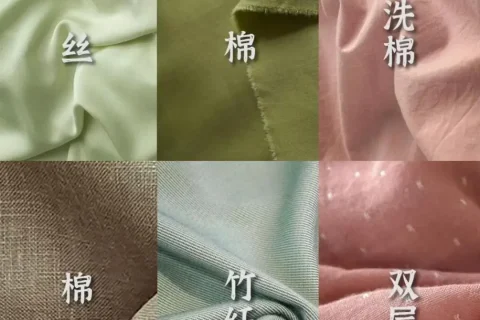
Digital printing offers broad compatibility, suitable for natural fibers (cotton, linen, silk), regenerated fibers (modal, Tencel™), synthetic fibers (polyester, nylon), and various blended fabrics. Different fabrics pair with reactive, disperse, acid, or pigment printing processes to meet diverse requirements like skin-friendliness, color vibrancy, and abrasion resistance.
Digital Printing Fabric Pros and Cons Comparison
| Comparison Dimension | Advantages | Disadvantages |
|---|---|---|
| Pattern Effect | Fine, high-definition, excellent color reproduction | Requires specialized pre-treatment or white-ink layering for dark-colored base fabrics. |
| Production Model | No plate making, flexible small batches, fast prototyping | Slower production speed than traditional printing. |
| Cost | No plate fees for small batches, controllable costs | High equipment and ink costs, Higher unit cost for large-volume mass production compared to rotary screen printing. |
| Environmental Impact | Water and ink savings, lower pollution | Minor post-processing wastewater requires treatment. |
| Fabric Handfeel | Soft and breathable, no stiffness | May feel slightly stiff with improper treatment. |
| Color Fastness | Excellent fastness when process standards are followed | Natural fibers prone to fading if post-treatment is inadequate. |
| Technical Barriers | High customization flexibility, digital operation | Requires professional color matching, color separation, and equipment maintenance. |
Advantages of Procuring Through EcoPrinture
- Adheres to strict colorfastness standards; ensures minimal color deviation within and between batches within and between batches; certifiable under OEKO-TEX Standard 100, GOTS, and REACH.
- Negotiable minimum order quantity for custom digital printed fabrics; transparent pricing with no hidden fees.
- **Quality guarantee: **We offer a compensation mechanism for production issues such as color deviation, print omissions, or substandard colorfastness.
- Provides batch inspection reports (colorfastness, shrinkage rate, environmental indicators, etc.) and supports third-party testing.
- Meets fast-response order requirements with stable raw material supply and quality control from digital printing fabric suppliers.
EcoPrinture is a digital printing fabric supplier from China offering customizable digital printing fabrics. For inquiries, contact us!