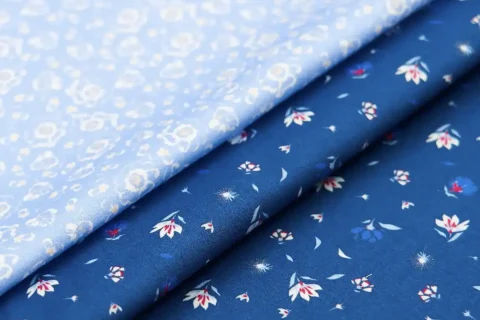
What Are Eco-Fabrics?
Eco-Fabrics, also known as sustainable fabrics, refer to materials that cause minimal environmental harm throughout their entire lifecycle—from raw materials and production to use and disposal.
They are recyclable, non-toxic, and harmless, with core characteristics including low pollution, biodegradability, sustainability, and freedom from harmful substances.
Eco-Fabrics = sustainable raw materials + low-pollution production + non-toxic products + biodegradable disposal, representing the mainstream trend for sustainable development today and in the future.
Top 10 Eco-Fabrics
| No. | Fabric Name | Eco-Friendly Highlights |
|---|---|---|
| 1 | Organic Cotton | Pesticide/fertilizer-free, safe and biodegradable |
| 2 | Recycled Polyester | Closed-loop production, biodegradable and low-carbon |
| 3 | Modal | Natural wood pulp, soft and biodegradable |
| 4 | Recycled Polyester (rPET) | Recycled plastic bottles, carbon-reducing and eco-friendly |
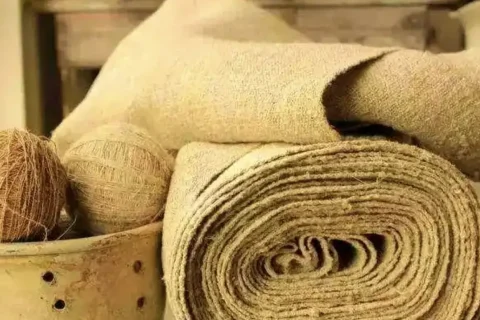
| 5 | Organic Linen | Low water consumption, pesticide-free, biodegradable |
| 6 | Recycled Nylon (rPA) | Regenerated from fishing nets/waste, eco-friendly and durable |
| 7 | Bamboo Fiber | Fast-growing, biodegradable, naturally antibacterial |
| 8 | Recycled Cotton | Recycled from old clothing scraps, reduces waste |
| 9 | Plant-dyed fabrics | Natural Biodegradable dyes; eliminates synthetic chemical runoff. |
| 10 | Coconut-based fiber (Cocona) | Agricultural waste reuse, breathable and antibacterial |
Eco-Fabrics for Apparel
| Fabric Name | Core Features | Suitable Garments |
|---|---|---|
| Organic Cotton Fabric | Skin-friendly and breathable | T-shirts, underwear, babywear. |
| Tencel lyocell Fabric | Excellent drape | Shirts, dresses, summer wear. |
| Modal Fabric | Soft and smooth | Underwear, loungewear, base layers. |
| Recycled Polyester Fabric | Post-consumer PET bottles | Moisture-wicking activewear; outerwear. |
| Organic Linen | Naturally Breathable and Cool | Summer Shirts, Dresses, Casual Pants. |
| Recycled Nylon (rPA) | Ghost fishing nets; carpet scraps | High-stretch swimwear; durable leggings. |
| Bamboo Fiber Fabric | Antibacterial & Breathable | Underwear, loungewear, lightweight summer wear. |
| Recycled Cotton | Recycled from old garments/fabric scraps | T-shirts, knitwear, denim fabrics. |
| Organic Wool | Excellent warmth, soft texture | Sweaters, coats, fall/winter knits. |
How to Verify Authentic Eco-Fabrics
1. Check Authoritative Eco-Certifications (Most Direct Method)
Certifications must be verifiable on official websites and valid. Select the appropriate certification for each fabric type:
- Organic (organic cotton/wool): GOTS certification (≥95% organic fibers), OCS certification (verifies organic content percentage).
- Recycled (recycled polyester/nylon): GRS certification (specifies recycled material content), RCS certification (single-source recycled materials).
- Full-process eco-friendly (e.g., Tencel): OEKO-TEX® Standard 100 (tests for harmful substances; Class I for infants/children is strictest).
2. Verify Third-Party Testing Reports
Focus on three key indicators to ensure compliance:
- Hazardous Substances: Formaldehyde, heavy metals, azo dyes, etc., must comply with corresponding standards (strictest for infant/child products).
- Environmental Metrics: Biodegradable fabrics require degradation test reports; recycled fabrics require recycling compliance records.
- Process Metrics: Eco-friendly dyed fabrics must provide reports on water conservation, emissions reduction, and chemical management compliance.
EcoPrinture, a Chinese organic fabric manufacturer, offers wholesale sustainable fabrics. All materials carry GOTS or OEKO-TEX certification and support third-party testing. For procurement inquiries, contact us.
Representative Brand Practices in Eco-Fabrics
Highlighting benchmark brands across categories—recycled, organic, and full-process eco-fabrics—for procurement reference:
- Nike: Focuses on recycled fabric R&D and application, converting recycled plastic bottles into polyester fiber for Flyknit® uppers. Since 2010, over 7 billion plastic bottles have been recycled. Introduced at least 50% recycled leather fibers.
- Ralph Lauren: The Earth Polo shirt series utilizes recycled fabric made from plastic bottles, with each shirt requiring approximately 12 bottles. This effectively reduces plastic pollution while integrating eco-consciousness with classic apparel design, balancing practicality and sustainability.
- Prada: The Re-Nylon® collection serves as its flagship sustainability initiative. Fabrics are refined from recycled ocean plastic waste to create merging regenerated resources with luxury design.
- Stella McCartney: Committed to a vegan ethos, the brand eschews animal leather, replacing it with Alter Mat plant-based leather. It also champions eco-friendly materials like recycled polyester, crafting cruelty-free garments that spearhead sustainable luxury trends.
Choosing eco-conscious fabrics means choosing to stand on the side of the future,Click here to view our complete product catalog.
That concludes our discussion on sustainable and eco-friendly fabrics. If you’d like to learn more about fabrics, please follow our blog.