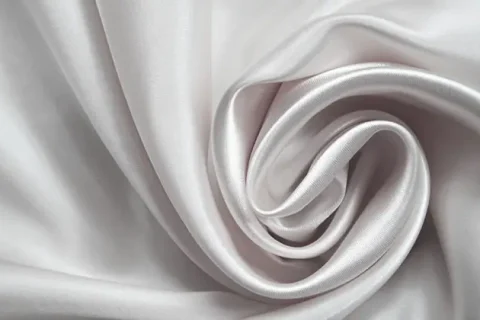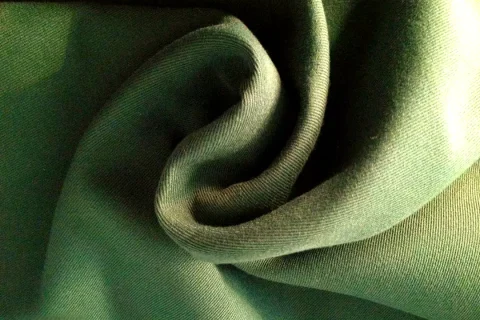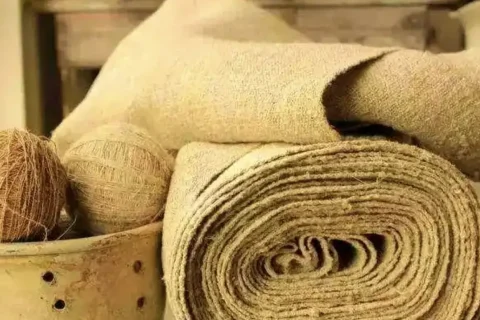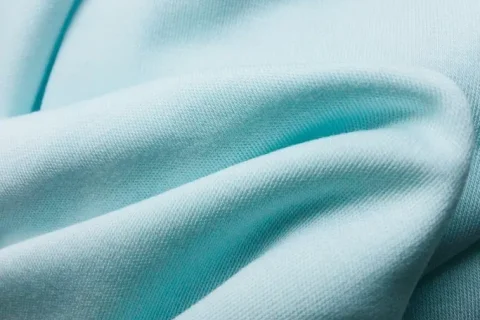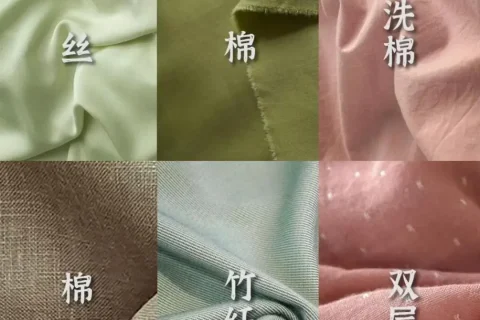
What is Bamboo fabric?
Bamboo fabric is a natural and eco-friendly fabric made from bamboo, which is processed through physical or biological techniques to extract bamboo fiber and then woven into cloth.
Bamboo Fabric combines the ecological advantages of bamboo, such as fast growth, no need for pesticides and fertilizers, and natural degradability.
with practical features like softness and skin-friendliness, moisture wicking and breathability, natural antibacterial and anti-mite properties, wrinkle resistance, and easy care.
It is free of formaldehyde and fluorescent agents, making it safe and healthy.
Suitable for various scenarios such as intimate apparel, home textiles, and sportswear, it is a sustainable fabric choice that combines environmental protection and comfort.
What are the advantages and disadvantages of Bamboo fabric?
| Comparison dimension | Advantages | Disadvantages |
|---|---|---|
| Environmental Attributes | Fast-growing, no pesticides/fertilizers, biodegradable, low carbon footprint | Physical extraction inefficient, cost slightly higher |
| Skin-friendly & Comfort | Soft, smooth, breathable, moisture-wicking (better than cotton) | Pure yarn brittle, easy to break in weaving; wet strength lower than cotton |
| Antimicrobial & Anti-Mite | Natural antibacterial, anti-mite, odor-resistant for intimate wear | Antibacterial effect fades with washing; needs post-treatment |
| Anti-wrinkle & Easy Care | Anti-wrinkle, stable shape, less shrinkage/pilling after washing | Heat-sensitive (easy yellowing/brittle); some blends may pill slightly |
| Safety & Health | No formaldehyde/fluorescent agents, safe for infants & sensitive skin | Risk of trace chemicals if process unregulated (must have OEKO‑TEX/GOTS) |
| Versatility | Combines comfort & durability; fits underwear, home textiles, sportswear | Pure fabric lower strength; not ideal for high-intensity work/outdoor wear |
| Cost & Supply | Mature supply chain in China; blended fabrics cost-effective | High-end organic/pure bamboo pricier than cotton; small-batch cost higher |
Primary Uses of Bamboo Fabric
Bamboo fabric (bamboo fiber fabric), renowned for its skin-friendly, breathable, antibacterial, and moisture-wicking properties, is primarily used for:
Undergarments: Underwear, panties, undershirts, tank tops.
Infant & Children’s Apparel:Baby rompers, bibs, swaddles, children’s clothing.
Loungewear & Bedding: Pajamas, robes, sheets, duvet covers, towels, bath towels.
Summer wear:T-shirts, shirts, dresses, casual pants, lightweight jackets.
Sports and functional apparel:athletic tees, yoga wear, quick-dry base layers.
Home textiles and accessories: pillowcases, cushions, socks, cooling fabric products.
Overall characteristics: Bamboo fabric excels in scenarios requiring breathability and antibacterial properties, especially for items worn next to the skin.
What is Bamboo fabric made of?
Bamboo fabric is primarily made from bamboo. The core process involves first processing bamboo into bamboo fiber, which is then spun into yarn and woven into cloth.
1. Raw material: bamboo (core)
Commonly used bamboo species: moso bamboo, neosinocalamus affinis, dragon bamboo, etc. (with thick fibers, high strength, and abundant resources)
Material selection: Generally, mature bamboo grown for 3-5 years is used, with well-developed fibers and strong toughness
2. Core intermediate product: bamboo fiber (two mainstream types)
(1) Bamboo fiber (extracted by physical method, environmentally friendly)
Process: Bamboo → Removing branches and nodes → Steaming and softening → Mechanical crushing / tearing / combing → Natural bamboo raw fiber
Features: Retains natural bamboo anthraquinones (antibacterial components), free of chemical solvents, more environmentally friendly; fibers are relatively short, often blended with cotton/Tencel
(2) Bamboo viscose fiber (chemically extracted, performance type)
Process: Bamboo → Crushed into bamboo pulp → Dissolved into viscose solution with alkali solution / carbon disulfide → Spinning and solidification → Bamboo viscose fiber (similar to rayon / tencel)
Characteristics: Fine fiber, high strength, suitable for pure spinning, smooth hand feel; however, due to chemical process, its environmental friendliness is weaker than that of physical methods
3. Final fabric: Bamboo fabric
Bamboo fiber / bamboo viscose fiber → spinning → weaving → environmentally friendly dyeing and finishing → bamboo fabric (pure bamboo or bamboo cotton / bamboo polyester blended)
In simple terms: Bamboo fabric = bamboo → bamboo fiber → yarn → fabric, representing a typical natural plant-based sustainable fabric.
What are the main producing areas of Bamboo fabric?
The main production areas of bamboo fabric (bamboo fiber fabric) are concentrated in countries and regions with abundant bamboo resources and mature textile industries, primarily in Asia, with China being the world’s largest producer and exporter. The following are the main production areas and their characteristics:
1. Core producing countries
China (World’s No.1)
Advantages: The bamboo resources are the most abundant globally (mainly moso bamboo), with a complete industrial chain (from bamboo fiber extraction → spinning → weaving → dyeing and finishing → finished products). The production capacity accounts for more than 80% of the world, making it the main supplier of global bamboo fabric, exported to markets such as Europe, America, Japan, South Korea, and Southeast Asia.
EcoPrinture is located in Shaoxing, Zhejiang, China. We provide the highest quality bamboo fabric supply as well as comprehensive after-sales service and support.
If you would like to inquire about the price of Bamboo fabric wholesale, please click on Contact Us to obtain a quotation.
India
Advantages: Low labor costs, primarily relying on handmade Bamboo fabric and traditional bamboo fiber fabrics. In recent years, it has gradually developed industrialized bamboo fiber production, mainly supplying the domestic market and neighboring South Asian markets, with a small amount also exported to Europe and America.
Vietnam
Advantages: With abundant bamboo resources, the textile industry has taken over the transfer from China, offering a significant cost advantage. The main product is bamboo fiber blended fabric (bamboo + cotton/polyester), which is exported to markets such as the European Union, the United States, and Japan.
** 2. Secondary Producing Countries / Regions **
Thailand: Primarily focusing on tropical bamboo species, it produces bamboo fiber fabrics and bamboo home textiles, targeting the local Southeast Asian and tourism markets, with a combination of handmade and industrialized production.
Bangladesh: Leveraging its textile industry foundation, it imports bamboo fiber raw materials or semi-finished products, processes them into bamboo fabric and garments, and exports them to Europe and the United States, offering significant cost competitiveness.
Japan: Japan does not produce raw materials, but it is a leader in deep processing technology of bamboo fiber. It imports bamboo fabric from China and Vietnam for high-end dyeing and finishing, functional finishing (such as antibacterial and deodorizing), and produces high-end underwear and sportswear, mainly targeting the local and high-end export markets.
European Union (Italy, Germany): A small amount of high-end bamboo fabric is produced, primarily utilizing organic bamboo fiber and closed-loop production processes. The main focus is on environmentally certified (GOTS, OEKO-TEX) products, which are priced higher and supplied to high-end fashion brands.
Production capacity and exports: China is the absolute core, dominating global bamboo fabric production capacity and exports; Vietnam, India, and Bangladesh are emerging production countries, seizing the mid-to-low-end market with cost advantages.
Main environmental advantages of Bamboo fabric
Bamboo fabric is a positive, low-carbon, and sustainable fabric for environmental protection, while also having a minor impact on craftsmanship, which can be summarized as follows:
More resource-efficient: Bamboo takes 3-4 years to mature, grows rapidly, and is resistant to drought and infertility. It requires no pesticides or fertilizers, and saves water, land, and pesticides compared to cotton.
Low carbon and low emissions: The carbon footprint of raw materials is low; the physical extraction of bamboo fiber does not involve chemical solvents, resulting in significantly less production pollution compared to traditional chemical fibers and ordinary cotton.
Degradable and recyclable: After being discarded, it can degrade naturally without causing long-term plastic pollution; bamboo fiber can be recycled and reused, supporting the circular economy.
Reduce chemicals: Physical methods can preserve the natural antibacterial properties of bamboo fabric, thereby reducing the use of chemical additives such as antimicrobial agents.
Comparison between bamboo fabric and cotton fabric
| Dimension | Bamboo Fabric | Cotton Fabric |
|---|---|---|
| Comfort | Superior moisture-wicking; cooler feel; silky touch. | Breathable but prone to sweat retention; stays damp longer. |
| Antibacterial | Natural “Bamboo Kun” agent inhibits bacteria/odor. | No natural resistance; requires chemical post-treatment. |
| Durability | Naturally wrinkle-resistant; lower wet strength. | Prone to wrinkling; high durability and wet strength. |
Bamboo fabric possesses strong sustainability and is currently recognized as a low-carbon, low-pollution, and renewable natural plant-based fabric in the textile industry. It performs particularly well at the raw material stage and at the end of its lifecycle, but its sustainability is also influenced by the production process.