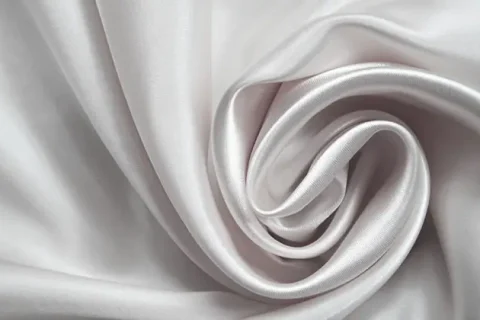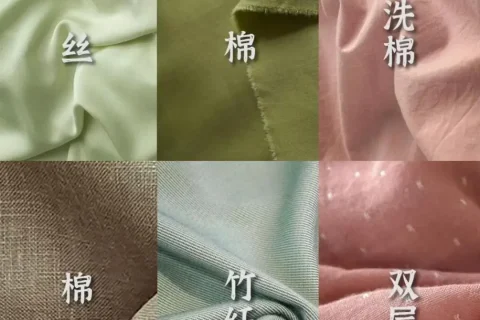
Sustainable fabrics are the embodiment of environmental protection concepts in the textile industry, referring to textile fabrics that can minimize environmental impact, balance social responsibility and economic rationality throughout the entire life cycle of raw material collection, production and processing, use and disposal, and form a three-dimensional evaluation system of “environmental friendliness, resource conservation, and social responsibility”.
Its core attributes include two dimensions: environmental sustainability focuses on low energy consumption and low pollution, and the raw materials are mostly renewable, recyclable, or biodegradable; Social sustainability ensures the rights, safety, and health of workers in the production process, and supports community development.
There are three common types: natural fibers (organic cotton, hemp, bamboo fiber fabrics, etc.), which are derived from nature and biodegradable, and are planted without synthetic pesticides and fertilizers; Recycled fibers (such as recycled polyester, nylon, cotton, etc.) are recycled and processed to reduce consumption and emissions; Biobased synthetic fibers (PLA, PHA, etc.) are made from plants, with low carbon footprint and complete degradation.
Is clothing made from sustainable fabrics more expensive than regular fabrics?
The initial purchase price may be higher, but the long-term comprehensive cost is better. Due to the high threshold for environmentally friendly production, its unit price is slightly higher than that of ordinary fabrics. However, data from the University of Cambridge shows that its durability is about three times that of ordinary fabrics, which can reduce repeat purchases; The trade in program for some brands is further reducing long-term expenses, and the industry’s large-scale development is narrowing the price gap.
How to identify truly sustainable fabrics and avoid the trap of “green marketing”?
The core relies on cross validation of authoritative authentication and traceability information. Prioritize viewing exclusive international certifications (GOTS for organic cotton, GRS for recycled fibers, etc.), and then verify brand supply chain disclosure information. Some brands can trace their origins through blockchain. At the same time, be wary of extreme propaganda such as “absolute environmental protection”, and sustainable fabrics focus on “reducing impact” rather than “completely having no impact”.
The core benefits of choosing sustainable fabrics
Choosing sustainable fabrics combines personal, ecological, and industry value. Ecologically, organic cotton saves 91% more water than traditional cotton, recycled nylon reduces emissions by 30%, biodegradable fabrics avoid pollution from waste clothing, and help reduce carbon emissions in the textile industry.
In terms of health, it strictly controls harmful chemical reagents and is suitable for sensitive skin and infants. Natural and recycled fabrics have advantages such as breathability, sweat absorption, and antibacterial properties, providing a better wearing experience.
At the industry level, it promotes the transformation from “fast fashion” to “slow fashion”, practices a circular economy, and protects the rights and interests of workers; For consumers, their clothing is durable, classic in style, and combines practicality and dressing value.
The steps for individuals to purchase sustainable fabrics
- Clarify requirements and scenarios: Choose fabrics according to their intended use, organic cotton for daily close fitting clothing, linen/bamboo fiber fabric for summer clothing, recycled polyester for sportswear, and Tencel Lyocell fabric for home bedding.
- Screening legitimate channels: Priority should be given to brand official stores and environmentally friendly collection stores with clear concepts and disclosed supply chains, avoiding unqualified third-party stores.
- Verify certification traceability: Check the exclusive certification of the hang tag, confirm that it matches the fabric, and if necessary, request a testing report to verify the composition and environmental attributes.
- Compare performance and price: Based on demand, compare fabric parameters. For beginners, choose high cost-effective recycled fibers, and gradually try mid to high end organic cotton and bio based fibers.
- Pay attention to after-sales cycle: Understand the cleaning and care guidance to extend the service life, and prioritize choosing brands that provide trade in and recycling services.
Sustainable fabric procurement process:
- Procurement demand positioning and standard setting: Based on product scenarios (such as clothing, home furnishings, outdoor equipment), clarify fabric types, performance parameters, and sustainable goals, and simultaneously develop quantitative standards. For example, sportswear prioritizes the use of recycled polyester and nylon, while infant and toddler products focus on GOTS certified organic cotton.
- Supplier admission and grading evaluation: Establish a multidimensional sustainable fabric supplier screening system that covers the three core areas of technical strength, compliance capability, and ESG performance.
- Sample validation and compliance testing: Request samples from approved suppliers and conduct double validation. Performance level testing of fabric breathability, durability, color fastness, and other indicators to adapt to product usage scenarios.
- Contract signing and clause constraints: When signing a procurement contract, specify mandatory clauses related to sustainability. Specify the validity of fabric certification, environmental compliance requirements, and social responsibility obligations, while also agreeing on penalties and exit mechanisms for violations.
- Batch procurement and process control: Establish a full process supervision mechanism after placing an order, conduct irregular inspections of the production process, and focus on verifying whether organic and conventional fabrics are isolated, whether chemical use is compliant, and whether wastewater treatment meets standards.
- Acceptance, warehousing, and traceability filing: Upon arrival, verify the fabric batch, certification documents, and testing reports to ensure consistency; Establish an inventory file to record fabric sources, supplier information, production batches, environmental indicators, and other data, and establish a full chain traceability system.
- Supply chain collaboration and cycle optimization: Establish long-term cooperation with high-quality sustainable fabric suppliers.
Typical application scenarios of sustainable fabrics
- Daily clothing and home furnishings
This is the most widely used application scenario. Organic cotton and bamboo fiber are used for close fitting clothing and baby clothing, while linen blend is suitable for summer clothing; Tencel ™ Lyocell and recycled cotton can be used as bedding and curtains, while bamboo fiber towels have become the preferred choice for green homes due to their antibacterial and moisture-proof properties. - Outdoor sports equipment
Sustainable fabrics are increasingly being used in the field of sports, and recycled polyester fabric can be used to make sportswear and backpacks, balancing fast drying, wear resistance, and environmental protection; Recycled nylon is used for outdoor equipment, with high strength and carbon reduction. Some brands have also developed mixed fabrics with antibacterial and deodorizing properties, suitable for high-intensity sports. - High end clothing and designer brand creation
It is the core carrier of high-end clothing and designer brands. Designers use organic linen, recycled silk, and other materials to create environmentally friendly clothing, and present natural beauty through plant dyes. This not only promotes industry transformation, but also breaks the perception of “single sustainable fabric style” and leads green fashion.
Eco Printure is a factory specializing in the production of sustainable fabrics, including bamboo fabric, organic cotton, Tencel Lyocell fiber, Modal fiber, and recycled polyester fiber. Through continuous research and innovation, we have developed many different eco-friendly fabric alternatives to meet diverse clothing needs! Contact us, and we will use our professionalism to make your products more environmentally friendly and luxurious!