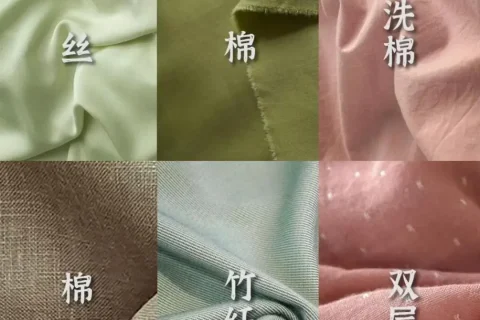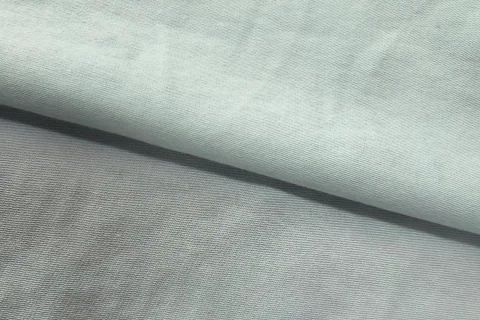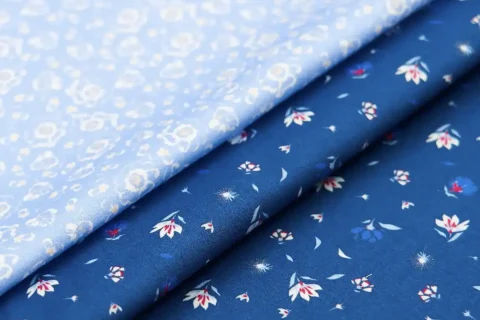
What is Modal Fabric?
Modal is a regenerated cellulose fiber fabric made from natural wood pulp (primarily beech wood) through a spinning process. As an eco-friendly regenerated fiber, it combines the comfort of natural fibers with the easy-care properties of synthetics, making it a leading choice for premium intimate apparel fabrics.
Advantages of Modal Fabric
- Soft and Skin-Friendly: Offers a silk-like feel, suitable for next-to-skin wear, making it an excellent choice for intimate apparel.
- Moisture-Wicking and Breathable: Quickly absorbs and releases skin moisture, ensuring comfort in all four seasons.
- Premium Texture: Modal fabric features excellent drape, a natural soft sheen, and is resistant to wrinkling.
- High Color Fastness: Ensures even, rich dyeing with vibrant, long-lasting hues that resist fading or discoloration through repeated washing.
- Eco-Friendly and Sustainable: Modal is a sustainable fabric, biodegradable after disposal.
- Dimensional Stability: The fiber’s resilience ensures durability against washing and abrasion. It maintains its original shape and properties without significant deformation or pilling after multiple washes.
Disadvantages of Modal Fabric
- Prone to Deformation and Sagging: Pure modal fabric has moderate elastic recovery. Collars, cuffs, waistbands, and other areas may sag after prolonged wear or washing.
- Low Wet Strength, Susceptible to Damage: Fabric strength decreases when wet. Friction or pulling in a wet state can cause pilling or tears.
- Prone to Pilling and Snagging: While the fiber surface is smooth, its strength is limited. Daily friction can cause fine pilling, and woven versions are susceptible to snagging.
- Higher Price Point: Raw material and processing costs exceed those of regular cotton, resulting in higher retail prices for finished products.
- Moderate Heat Resistance: High-temperature ironing or prolonged sun exposure can cause yellowing and fiber degradation. Low-temperature ironing and shade drying are recommended, requiring stricter care.
How to Care for Modal Fabric?
Modal fabric is soft and skin-friendly, but it has low wet strength and is prone to stretching and deformation. The key to care is gentleness, low temperatures, light avoidance, and avoiding forceful pulling. By protecting it throughout the entire process of washing, drying, and storage, you can maintain its texture and shape long-term. Specific methods are as follows:
I. Washing & Care: Gentle Handling to Prevent Fiber Damage
Washing Method: Hand wash preferred. Use lukewarm water below 30°C (86°F) with a neutral detergent (silk/wool detergent). Gently press and squeeze; never rub vigorously or wring. If machine washing, use a laundry bag and select the “Gentle/Silk/Wool” cycle. Set spin speed to minimum. Do not wash with denim, zippers, or hard objects to prevent snagging and pilling.
Washing Taboos: Avoid alkaline detergents, soap, or bleach, as they cause yellowing and brittleness. Water temperature must not exceed 30°C (86°F); high heat causes shrinkage, loss of shape, and fading.
Stain Treatment: For localized stains, gently dab with neutral detergent and let sit for 5 minutes before rinsing. Do not scrub vigorously. Avoid high-temperature soaking for stubborn stains to prevent color fixation.
II. Drying & Maintenance: Shade-dry to prevent aging and deformation
Avoid direct sunlight: Modal has poor lightfastness. Direct sunlight causes yellowing, fiber degradation, and fading. Always air-dry in a cool, well-ventilated area.
Drainage and Hanging: After washing, gently press out water or wrap in a dry towel to absorb moisture. Never wring or spin-dry. Prioritize flat drying to prevent stretching. When hanging, use a wide-shouldered hanger, slipping it over the waist/hem rather than the collar to avoid stretching and sagging.
Avoid high-temperature drying: Do not use dryers or radiators. High heat causes severe shrinkage and distortion of the garment’s shape.
III. Daily Storage: Prevent Wrinkles and Creases to Extend Lifespan
Ironing Guidelines: Use low heat settings (below 110°C/232°F). Use a pressing cloth; avoid direct high-temperature contact to prevent fabric sheen or yellowing. Minor wrinkles may smooth out naturally when hung; frequent ironing is unnecessary.
Storage Tips: Fold and lay flat for storage; avoid prolonged hanging that stretches the fabric. Store separately from sharp or rough garments to prevent snagging. Ensure items are completely dry before seasonal storage; void direct contact with moth repellents with the fabric.
Wear Care: Avoid prolonged friction against backpack straps or furniture edges to minimize pilling. Do not overstretch pure modal garments; change promptly after wear to reduce localized stretching.
IV. Common Problem Solutions
Minor Pilling: Gently shave with a lint shaver on low setting; do not pull by hand.
Localized Stretching: Gently hand-wash in lukewarm water, then lay flat to air-dry in shade for slight recovery.
Slight Yellowing: Soak in neutral detergent + a small amount of white vinegar for 10 minutes, then gently wash and air-dry in shade. Do not bleach.
Is Modal Fabric Environmentally Friendly?
Modal fabric is made from natural wood pulp using a closed-loop production process. It is biodegradable and more eco-friendly than traditional viscose or synthetic fibers. Combining softness against the skin with moisture-wicking and breathability, it stands as one of the preferred sustainable fabric choices.
Where to buy modal fabric?
You can inquire about modal product pricing through the EcoPrinture official website Contact Us. We will respond promptly to your message and fulfill your requirements.
To learn more about sustainable fabrics, follow our blog.